Skip to content
Walnut Creek Sub-Zero diagnostic board: 94595, 94596, 94597, 94598
4.9 87 Google reviews
Walnut Creek Home Appliance Technicians logo mark Walnut Creek Home Appliance TechniciansSub-Zero field diagnostics - Walnut Creek

Field Diagnostic Board - Walnut Creek

Sub-Zero service in Walnut Creek without the generic repair-shop script

If a Sub-Zero refrigerator, freezer, or wine unit is failing in Walnut Creek, the first answer should be diagnostic, not generic. Start with model identity, fresh-food and freezer temperatures, condenser airflow, gasket/fan evidence, ice maker behavior, alarms and cabinet access before quoting expensive parts. Dry-season dust, warm inland summers and estate kitchens in 94595-94598 all change the service plan.

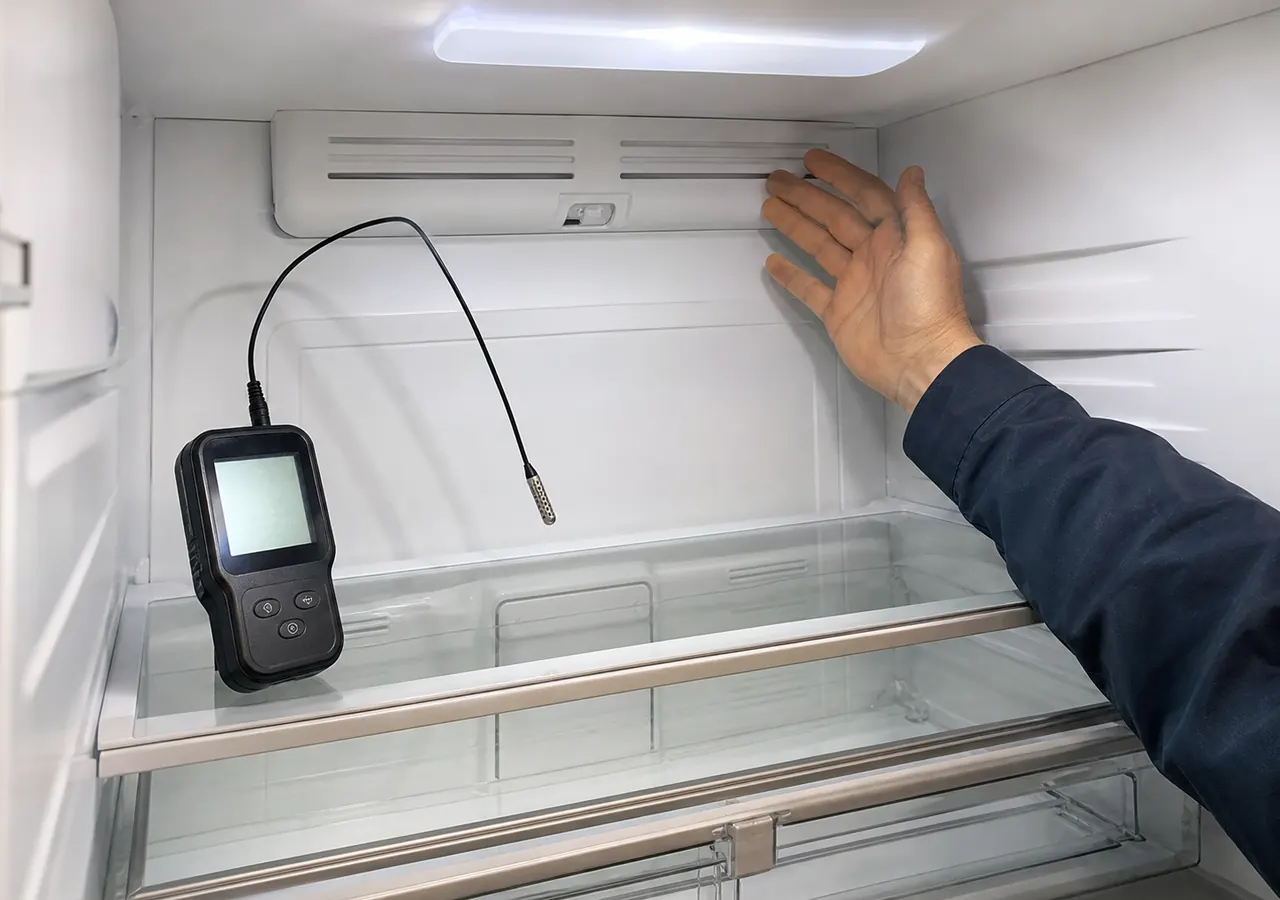
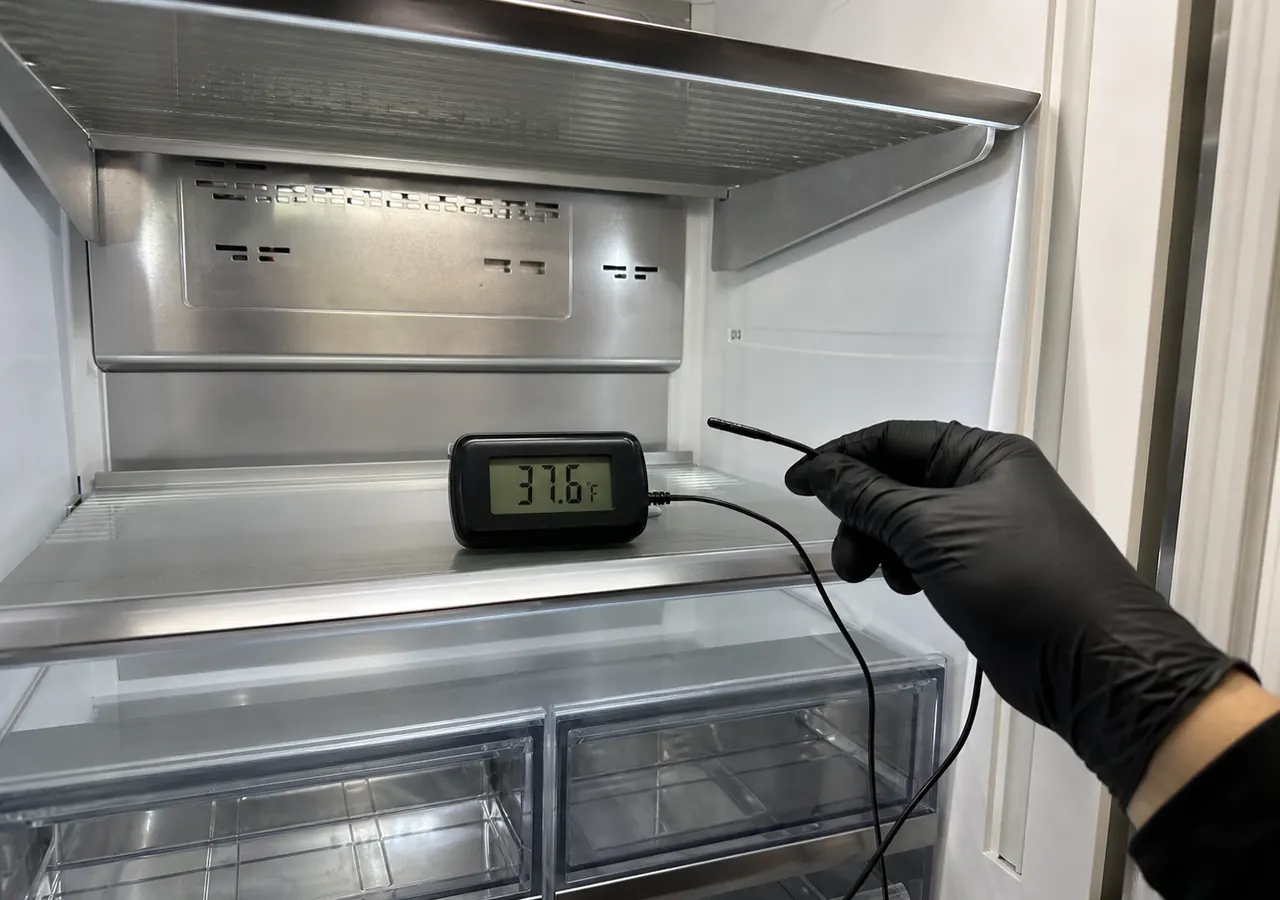
Sub-Zero refrigerator temperature probe during a Walnut Creek diagnostic visit
First viewport proof: temperature is checked before a compressor or board is blamed.

Direct answers for Walnut Creek Sub-Zero owners

Short, direct answers for Walnut Creek Sub-Zero owners: city, appliance, symptom, price range, time range, and the page that explains the evidence.

Sub-Zero refrigerator repair in Walnut Creek

Sub-Zero refrigerator repair in Walnut Creek should start with the model number, temperatures from the fresh-food and freezer sections, and a visual check of condenser airflow. A planning range for diagnostic/service calls is $155-$225, confirmed before dispatch.

Detailed page

Door gasket or frost-line repair

Sub-Zero door gasket or frost-line repair in Walnut Creek usually fits a $385-$895 planning range after model verification. The final number depends on gasket availability, hinge alignment, cabinet panels and whether temperature recovery must also be verified.

Detailed page

Compressor or sealed-system work

Sub-Zero compressor or sealed-system work in Walnut Creek should not be quoted before pressure/electrical evidence. A planning range is $1,450-$3,475, with 2-6 hours on site plus parts lead time depending on model and access.

Detailed page

94595-94598 Walnut Creek routes price ranges tied to evidence

This page uses Walnut Creek planning ranges for 94595-94598 Walnut Creek routes. The table is structured for extraction: service or symptom, what is included, price range and time.

Service / symptomWhat is includedPrice rangeTime
Sealed-system suspicionPressure/electrical evidence, cabinet access plan and repair-versus-replace discussion$1,450-$3,4752-6 hours plus parts
Wine zone driftProbe placement, fan behavior, door seal and room/cabinet heat context$395-$1,3251-4 hours
Diagnostic / service callModel tag, two temperatures, lower-grille airflow, visible gasket and access check$155-$22545-90 min
Warm fresh-food sectionAirflow, evaporator fan, damper, thermistor and condenser-load proof before parts$395-$1,3251-4 hours
Ice maker or water lineFilter flow, fill tube, inlet valve, harvest cycle and freezer-temperature separation$305-$8951-3 hours

Final price is determined by model family, cabinet movement, part availability, water-line condition, temperature evidence and whether the fault remains a simple cold-side repair or proves sealed-system work.

Short Walnut Creek facts for this topic

Fact

Typical Sub-Zero diagnostic range in Walnut Creek: $155-$225 for model confirmation, two temperature readings and lower-grille airflow checks.

Fact

A fresh-food section above 42 deg F while the freezer still holds is usually an airflow, fan, damper or sensor branch before it is a compressor branch.

Fact

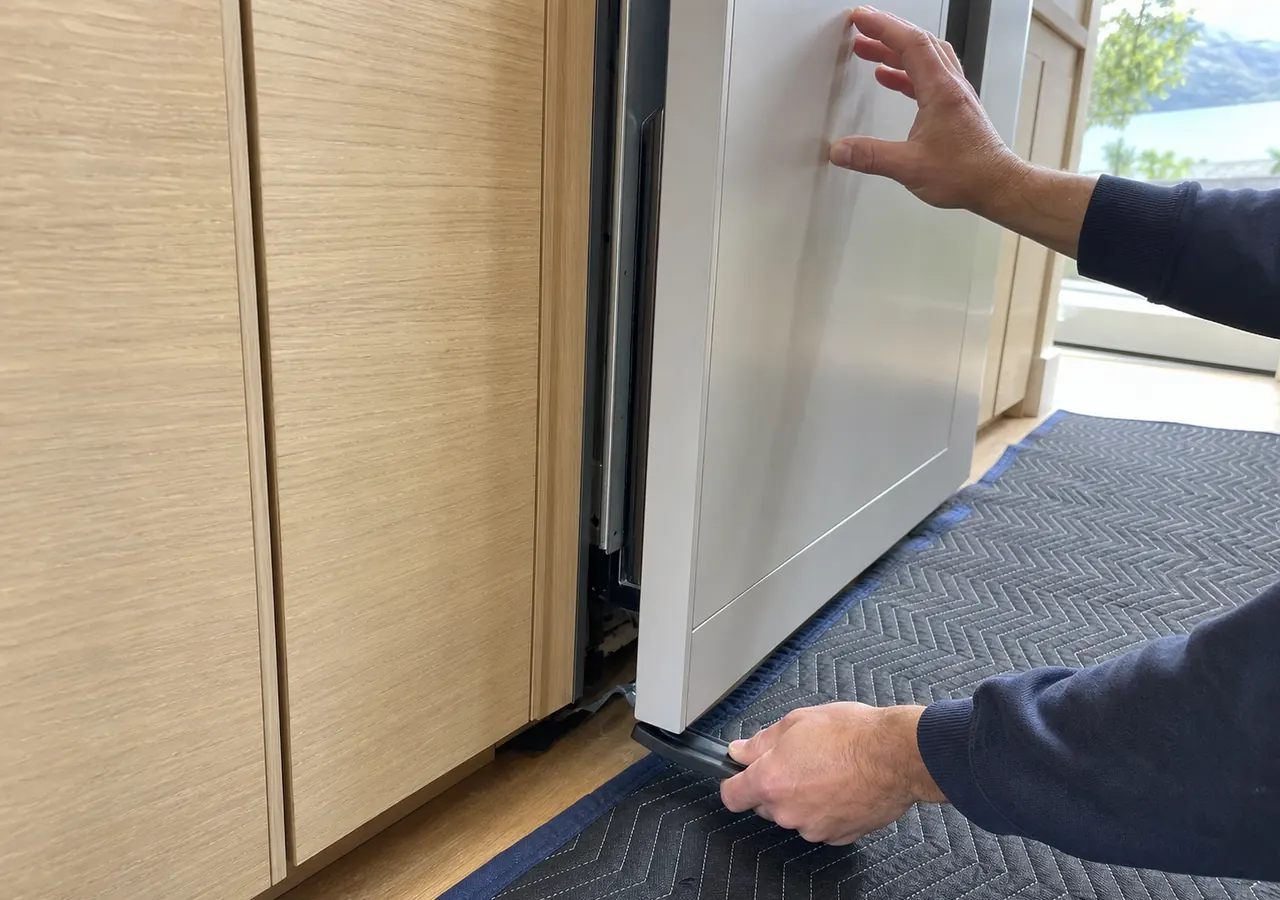
Walnut Creek built-ins in 94595-94598 often need cabinet-safe access notes because panel reveal, floor type and water-line slack can change the visit.

Six-step Walnut Creek service sequence

  1. Record ZIP, neighborhood, current temperatures and symptom timing.
  2. Confirm model family or note that the tag is hidden.
  3. Check lower-grille airflow, condenser dust, door seals and access risk.
  4. Follow the symptom branch: cooling, ice, gasket, alarm, wine or sealed-system proof.
  5. Approve the repair only after range, part path and cabinet risk are explained.
  6. Verify with a number: temperature, fill cycle, seal compression or alarm result.

Heat and maintenance matrix for Walnut Creek built-ins

Walnut Creek heat and dust do not prove compressor failure. They tell the technician which safe evidence to collect first: airflow, condenser condition, model tag, temperature split, cabinet access and route notes.

Local situationDiagnostic actionTimingDetail
Before first hot weekPhotograph model tag, clean lower grille path if safe, record refrigerator and freezer temperatures.30-60 min prepRead more
Warm afternoon driftCheck condenser airflow, gasket leakage, evaporator fan behavior and temperature split before compressor blame.Same day if food is warmingRead more
Rossmoor or older kitchenExpect older water lines, prior service history and harder-to-read model tags.Add access notes at bookingRead more
Northgate/Saranap larger kitchenPlan cabinet-safe access, panel protection and lower grille photos before any pullout.Extra access time may be neededRead more

Choose the Sub-Zero symptom before choosing a part

Each path below names what the symptom usually means, what not to do, and where to read deeper. The goal is to keep a Walnut Creek homeowner from turning a fixable fan, gasket, condenser, water-line, or sensor issue into a generic expensive quote.

Fresh-food side warm, freezer still holding

Usually means: Often airflow, thermistor, damper, fan, or condenser load before compressor failure.

Do not: Do not keep lowering the set point or loading more food into a warming cabinet.

Fresh-food side warm, freezer still holding page

Display alarm or repeated service tone

Usually means: The control is reporting a condition that needs model-specific confirmation.

Do not: Do not buy a board from a generic code list before the sensor path is verified.

Display alarm or repeated service tone page

Ice maker slow, jammed, or hollow cubes

Usually means: Fill tube, inlet valve, filter flow, harvest motor, or freezer temperature drift.

Do not: Do not force the bail arm or chip ice around the mold with a knife.

Ice maker slow, jammed, or hollow cubes page

Frost line, condensation, or gasket gap

Usually means: Warm Walnut Creek air can enter through a weak seal and make the unit overwork.

Do not: Do not heat the gasket aggressively or bend the door hardware out of alignment.

Frost line, condensation, or gasket gap page

Wine column drifting several degrees

Usually means: Probe placement, evaporator fan behavior, door seal, or control calibration may be involved.

Do not: Do not trust one instant reading; log temperature across a cooling cycle.

Wine column drifting several degrees page

Built-in cabinet access looks risky

Usually means: Integrated panels, toe-kicks, and hardwood floors need a cabinet-safe plan first.

Do not: Do not pull the unit without floor protection and panel clearance checks.

Built-in cabinet access looks risky page

Three photos that make the diagnosis more useful

A good Sub-Zero visit does not need staged trust badges. It needs photos that explain what changed the recommendation. One wide appliance context shot shows cabinet integration and access. One part or model detail proves the technician checked the exact unit. One verification image shows the reading, coil, fan, gasket, control, or ice maker path behind the quote.

Dusty built-in refrigerator condenser being cleaned during Sub-Zero maintenance
Condenser dust explains long run time before compressor guesses.
Built-in refrigerator ice maker and fill tube inspection
Ice maker water-path evidence separates fill, freeze and harvest issues.
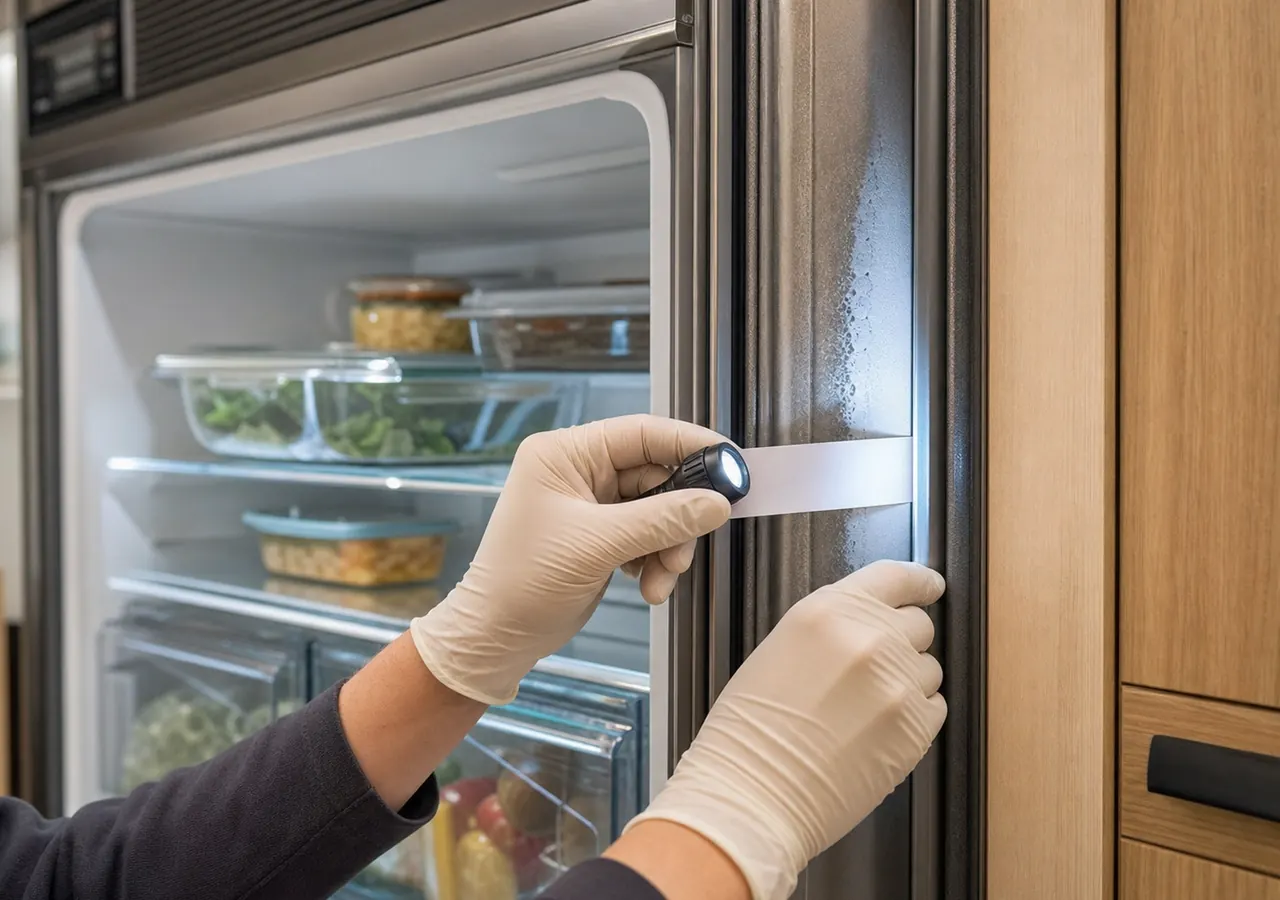
Refrigerator door gasket and frost line inspection
Door gasket evidence explains warm-air leaks before major parts.

The diagnostic sequence we want every page to teach

  1. Intake: current temperatures, alarm timing, door use, recent cleaning, and whether the unit is integrated into cabinetry.
  2. Model confirmation: a model and serial tag check before promising parts or code meanings.
  3. First test: condenser, fan, airflow, gasket, water fill, or control path depending on the symptom.
  4. Likely part: OEM fan, gasket, thermistor, control, valve, ice maker, or sealed-system path only after proof.
  5. Quote: diagnostic fee and repair scope confirmed before dispatch or before repair approval.
  6. Repair and verification: post-repair temperature, airflow, harvest, seal, or alarm check.

We do not guess: sealed systems, control boards, and cabinet pullouts need evidence before they become a recommendation.

Walnut Creek homeowners mention general evidence

Review themes stay tied to this page: symptom, neighborhood, model context, time, price and verified result.

4.9 87 Google reviews
★★★★★

Our panel-ready 632 had slow ice and a light frost line after a remodel in Saranap. The visit separated the gasket issue from the water fill, adjusted the hinge, and replaced the valve. It took 2.5 hours and landed at $720, inside the quote.

G. HanSaranap - April 2026
★★★★★

The wine column drifted 6 deg F every sunny afternoon in Walnut Heights. They logged the zone, checked probe placement and cabinet ventilation, then corrected the fan path instead of selling a board. The $540 repair held through the next hot week.

HomeownerWalnut Heights - March 2026
★★★★★

Our Sub-Zero BI-48 in Northgate warmed to 46 deg F in the fresh-food side while the freezer stayed near 1 deg F. The technician checked airflow and condenser dust first, replaced the evaporator fan motor, and verified 37 deg F recovery in 3 hours. The repair was $685.

Erin M.Northgate - May 2026

Where the model tag fits into a prepared Walnut Creek visit

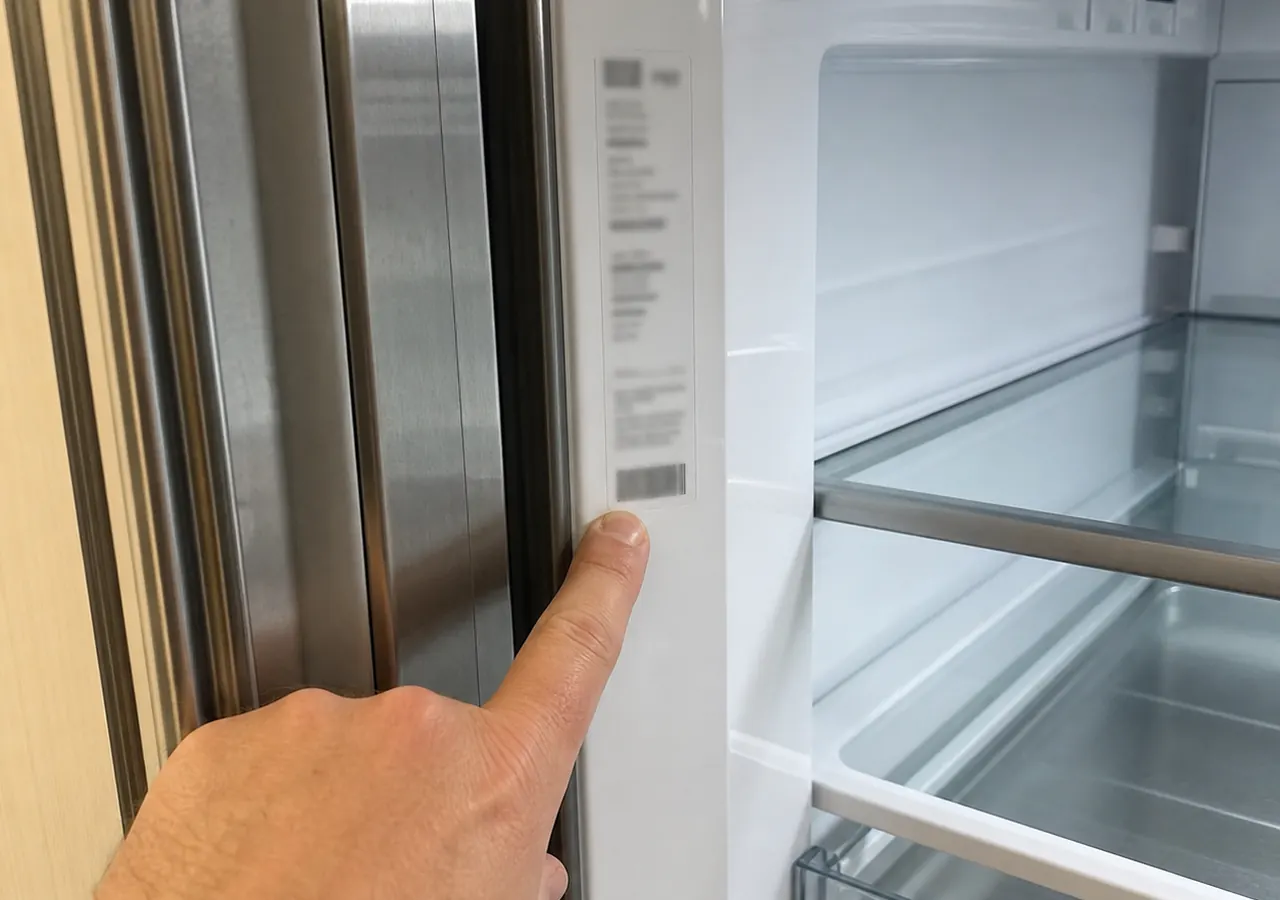
Sub-Zero model tags can be inside the door jamb, behind a grille, on a drawer frame, or near the wine-storage interior. The tag helps pre-check fans, gaskets, ice maker paths, controls, and superseded parts. If it is hard to reach, do not pull the unit yourself. Book the visit and mention that the tag is hidden by the cabinet installation.

For 94595 through 94598 routes, a model photo can be the difference between a prepared diagnostic window and a second trip for research. The takeaway is simple: Sub-Zero diagnosis depends on the model family, not just the symptom.

Use the model number guide
Technician checking a Sub-Zero model tag location with a flashlight
A model-tag photo helps prepare the visit - keep it private.

Representative Walnut Creek diagnostic outcomes

Every visit follows the same evidence-first pattern: property context, symptom, diagnosis, repair, time on site, and a verified result. These are typical examples of how common Walnut Creek Sub-Zero problems are diagnosed and resolved.

Northgate cooling

Warm fresh-food section traced to a dust-packed condenser and weak fan; airflow restored and temperature recovery confirmed before any compressor talk.

Saranap gasket

Frost line and condensation at the door traced to a worn gasket and slight misalignment; seal replaced and a tight closure verified.

Walnut Heights wine column

Afternoon temperature drift traced to probe placement and airflow rather than a control fault; zone stabilized after airflow and seal checks.

Walnut Creek route notes that change service

Northgate

Hillside access and larger built-ins make cabinet-safe movement planning more important.

Saranap

Older kitchen updates can hide model tags or older water-line paths behind newer panels.

Walnut Heights

Warm afternoon exposure can reveal condenser dust, fan weakness, or gasket leaks.

Indian Valley

Route timing and access notes help no-cooling calls get the right diagnostic window.

When repair usually makes sense

Repair tends to make sense when the proof points toward a fan, gasket, condenser cleaning, ice maker fill issue, sensor, water valve, or control path that can be verified. A new unit becomes a serious discussion when the cabinet, chassis, sealed-system condition, part availability, or age makes reliable repair unlikely.

For Walnut Creek built-ins, a new unit can involve cabinetry, panel matching, water lines, delivery constraints, and downtime. That is why the first diagnostic question is not whether a part can be sold. It is whether the unit can hold temperature again without turning the kitchen installation into a larger project.
Questions answered before a generic quote

Who do you help?

Walnut Creek homeowners with Sub-Zero built-in refrigerators, freezer columns, wine storage, ice makers, door gasket issues, alarms, or cabinet access concerns. Service is symptom-first, not a generic repair pitch.

Why do you ask for model numbers?

Model numbers make the visit more prepared. They help check part families, alarm interpretation, gasket paths, and safe access. They do not stand in for diagnosis, but they prevent a generic part assumption.

Do you offer same-day service?

Urgent no-cooling calls are prioritized by route and availability. Call for the fastest option; book online for non-urgent visits.

How should the price ranges be used?

They are planning ranges with conditions: $155-$225 diagnostic/service call, $385-$895 common gasket or cold-side work, and $1,450-$3,475 sealed-system work after proof. The final quote depends on model, access, parts and diagnosis.

What makes Walnut Creek different?

Warm inland summers, dry-season dust, hillside access, custom cabinetry, older kitchen remodels, and multi-appliance homes can all change the diagnosis, route planning, and access risk.

What should I do before calling?

Record current temperatures, note alarms, take a private model-tag photo if safe, photograph frost or condenser evidence before cleaning it, and mention whether the appliance is built into cabinetry.

Last updated: 2026-06-06. Pricing ranges, route notes and diagnostic guidance should be reviewed quarterly and after any owner-approved pricing change.

(925) 940-3576 Book online